Buying & selling
How much does a house survey cost in the UK? (2026 prices)
A survey is the cheapest expensive thing in a house purchase: a few hundred pounds set against the biggest cheque you will ever write. Here is what each level costs, why the price varies so much, and when the dearer survey is the better deal.
The short answer
| Survey | Typical UK cost | Best for |
|---|---|---|
| Level 2 — HomeBuyer report | £350–£600 | Conventional homes in reasonable condition, built after about 1930 |
| Level 3 — Building Survey | £600–£1,200 | Older, listed, timber-framed, extended or visibly tired properties |
| Valuation only (RICS) | £150–£300 | Probate, divorce, remortgage, capital gains — a figure, not a condition report |
| Specialist (damp, timber, subsidence, knotweed) | £300–£900 | A named concern, usually on top of a Level 2 or 3 |
Those are typical ranges across the UK. London and the South East sit roughly a fifth above them; the North East, Yorkshire and much of Scotland a little below. Most surveyors band their fee by the purchase price and the size of the property, so a six-bedroom house at £900,000 will be quoted at the top of its range and a two-bed terrace at £160,000 near the bottom.
What actually moves the price
- Purchase price and size. The biggest factor. More rooms, more roof, more to inspect and more liability for the surveyor.
- Age and construction. Pre-1930, timber-framed, thatched, non-standard construction and anything heavily extended pushes you towards Level 3 and towards the top of its range.
- Location. Travel time is built into the fee, and London and the commuter belt carry a premium on everything.
- The level itself. Level 3 is not Level 2 with extra pages — the surveyor spends two or three times as long on site, goes into roof spaces and under floors, and the report is written from scratch.
- Extras. A market valuation added to a Level 2, repair costings added to a Level 3, or a reinstatement figure for insurance all cost more. Some firms bundle them; ask what is in the price.
Level 2 or Level 3: which is the better value?
The cheaper survey is only better value if it is the right one. On a 2005 estate house in obvious good order, a Level 3 is money spent on reassurance you did not need. On a Victorian terrace with a loft conversion and a damp patch in the hall, a Level 2 can miss exactly the things that will cost you five figures later — and the report will say, correctly, that it was not looking for them.
Level 2 vs Level 3, explained — which report suits which property, in plain EnglishWhat is — and is not — included
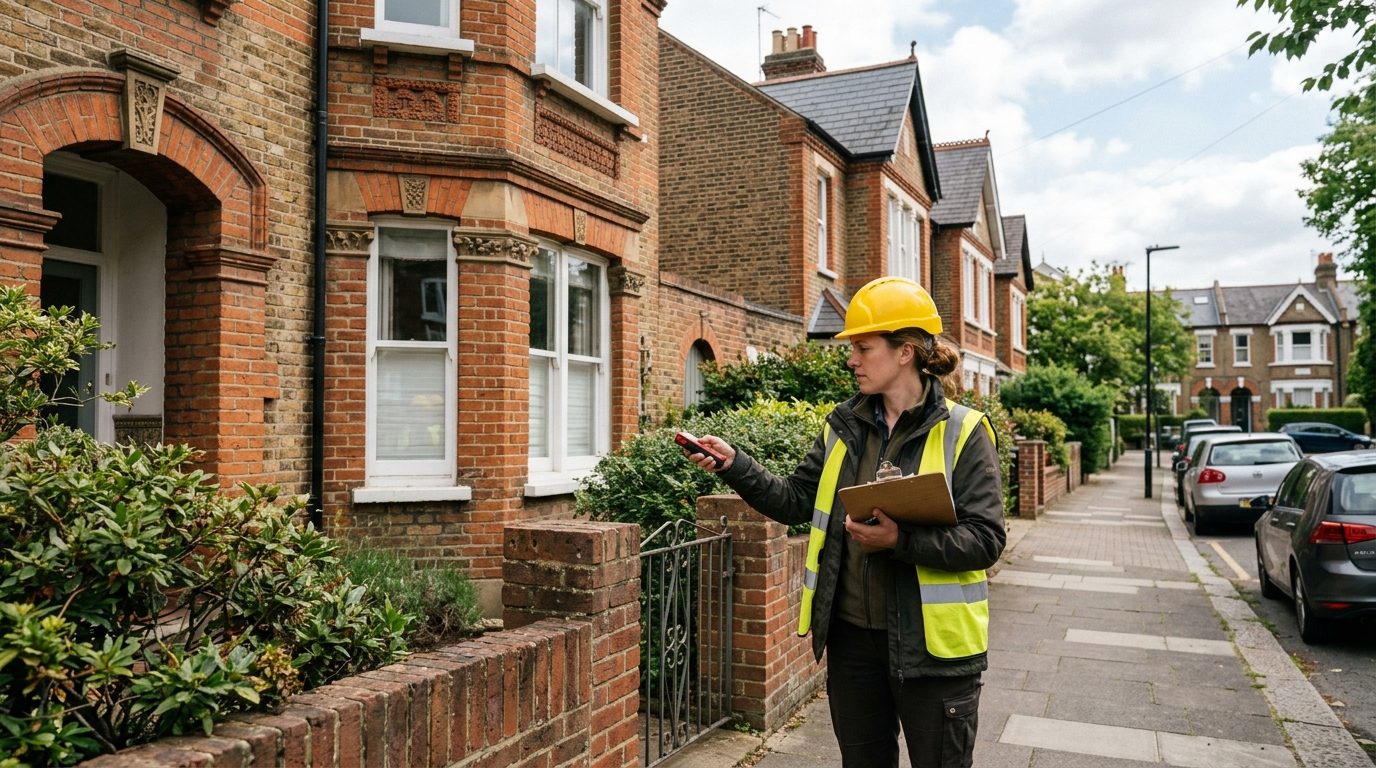
Every RICS survey is a visual, non-destructive inspection: the surveyor looks at what can be seen without lifting floorboards or opening up walls. A Level 2 grades what it finds by urgency using a traffic-light system. A Level 3 goes further into accessible spaces, explains the likely cause of each defect and, for a fee, can estimate what putting it right will cost. Neither will test the wiring, the boiler or the drains — those are separate trades, and a surveyor who spots a concern will tell you to get one in.
The valuation your lender does is not a survey
Your mortgage lender will arrange a valuation, and you may well pay for it. It exists to confirm the property covers the loan. It is often not shown to you in full, it is not a condition report, and a valuer who spends twenty minutes at the property has no duty to you about the roof. Buyers who skip a survey because "the bank already looked at it" are relying on a document written for somebody else.
How to pay less without buying blind
- Get three or more quotes. Fees for the same level on the same house vary by hundreds of pounds between firms.
- Ask for the fee including VAT. Many surveyors quote without it, and 20% is a real difference on a four-figure survey.
- Ask for a sample report before you instruct. Report quality varies far more than price does.
- Check the surveyor's RICS number on the public register. It takes a minute and a genuine firm expects it.
- Match the level to the house, not to your nerves. Over-surveying a modern house is the commonest way to overspend.
- Book early. Surveyors in busy areas are booked a week or two out, and a rushed survey at a premium is no bargain.
Is it worth it?
A survey that finds a significant defect is the usual basis for renegotiating the price, asking the seller to put it right, or walking away. Roofs, damp, movement and drainage are the findings that matter, and any one of them costs more to fix than every survey on this page put together. The survey is not a formality on the way to buying; it is the one moment in the process when somebody is working for you and only you.
Questions people ask
How much is a Level 2 HomeBuyer survey?
Typically £350–£600 across the UK in 2026, banded by the purchase price and size of the property. London and the South East run around a fifth higher. Ask whether the figure includes VAT and whether a valuation is bundled.
How much is a Level 3 Building Survey?
Typically £600–£1,200, and more for a very large or unusual property. It takes the surveyor two or three times as long on site as a Level 2, which is where the cost goes. Repair costings are often an optional extra.
Do I need a survey on a new build?
Usually a snagging inspection rather than a RICS survey — a specialist walks the finished property and lists defects for the developer to fix under the warranty. It is cheaper than a Level 2 and looks for different things.
Who pays for the survey?
The buyer, and it is paid whether or not the purchase goes ahead. That is why it is worth being sure about the property before you instruct, and why the survey is booked after the offer is accepted rather than before.
How long until I get the report?
A few working days after the inspection is typical; ask each surveyor when you get the quote. If exchange is close, say so — many will prioritise.
Are survey fees quoted with VAT?
Not always. Many surveyors quote a fee plus VAT, which adds 20%. Compare quotes on the same basis, and get the total in writing before you instruct.
Ready to move?