Moving tips
How to choose a storage facility: the checks that matter before you sign
Storage looks like a commodity until you have signed for it. Then the access hours, the insurance, the rate after the offer ends and the notice period decide whether it was a good deal. Here is how to choose before those things choose for you.
First decide which kind you need
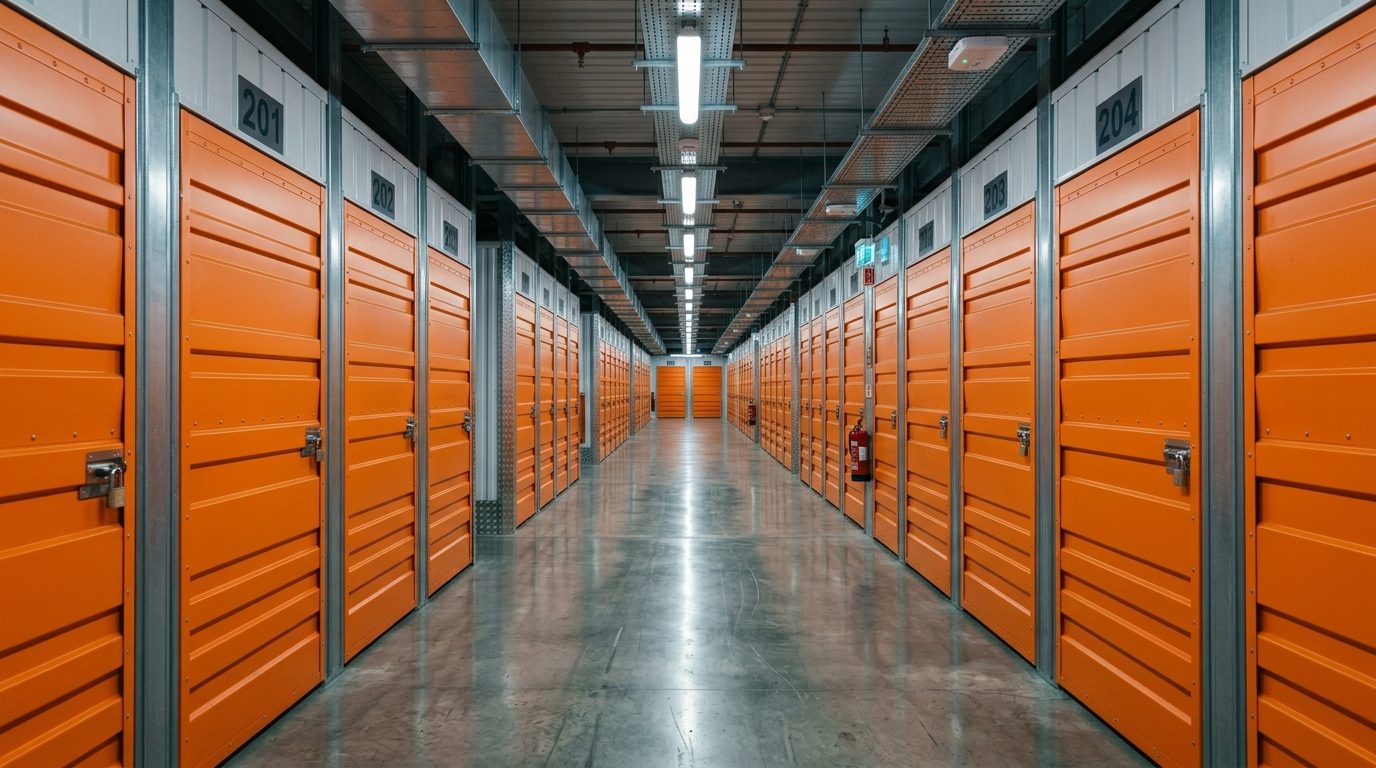
Self storage is a room you hold the key to and visit when you like. Containerised storage is a sealed container in a warehouse, brought down when you give notice, usually cheaper per week. If you will need to get at things — a chain delay with the kids' bikes in it — self storage. If you are storing a whole house between homes and will not touch it, containerised, and consider having the removals firm do the storing so one company collects, holds and redelivers.
Visit before you sign
- See the actual unit, not the show unit. Check the door width and whether your sofa will turn the corridor corner.
- Look at the floor: damp marks, dust that suggests it is never cleaned, signs of pests. Ask what pest control they run.
- Try the access route with a trolley in mind — lifts, ramps, how far from the loading bay.
- Check the security you are paying for: gates, CCTV that is monitored rather than merely present, individual door alarms, staffed hours.
- Ask about climate control if you are storing documents, electronics, upholstery or anything wooden. Not every facility has it.
The four questions about money
- What is the standard weekly rate — not the introductory one? Half-price for eight weeks is common; the rate afterwards is what you will actually pay.
- Is VAT included in the price you have quoted me?
- Is insurance required, what does yours cost, and can I use my own? Your home insurer may extend cover to goods in storage for less.
- What is the notice period to leave, and is there a prepaid three- or twelve-month price?
Read the agreement for these
- Access hours, in writing. "24/7" and "24/7 gate access" are not the same offer, and staffed hours differ again.
- What happens if you miss a payment — most agreements give the operator a lien over your goods, and some allow sale after a set period.
- Prohibited items. Fuel, perishables and anything living are universally banned; some facilities also ban tyres, paint or unboxed furniture.
- The operator's liability — usually close to nil beyond what your insurance covers, which is why the insurance question matters.
- Rate-change terms. A rolling contract usually lets the operator raise the rate with notice; know how much notice.
Size: take their advice, then check the back
A 50 square foot unit holds roughly a one-bedroom flat; a three-bedroom house needs about a hundred. Facilities size units for a living and their suggestion is usually right. The one check worth doing is whether, once the unit is full, you can still reach the thing you will need first. If not, go up a size or pack so it is at the front.
Compare storage quotes — self storage and containerised operators near you price the same briefHow much self storage costs — per week and per month, by unit sizeQuestions people ask
Self storage or container storage — which is better?
Self storage if you need access along the way; containerised if you are storing everything between homes and will not touch it — it is usually cheaper per week and removals firms often provide it, so one company can collect, store and redeliver.
What should I look for when visiting a storage facility?
The real unit rather than the show unit, dry floors and clean corridors, a workable route from the loading bay, security that is monitored rather than decorative, and honest answers about the standard rate, VAT, insurance and notice.
Is self storage insurance required?
Almost always — most operators require contents to be insured and sell a policy at the counter. Many home insurers will extend cover to goods in storage for less. Ask both before you buy theirs.
Do storage prices go up after the first few weeks?
Often. Introductory offers are common and the standard rate afterwards is the one that matters. Ask for it in writing before you sign, and for the prepaid three- and twelve-month prices too.
Can I access my unit any time?
It depends on the facility, and the phrases are slippery — 24/7 access, 24/7 gate access and staffed hours are different offers. If you need evenings or Sundays, get it in writing.
What cannot be stored?
Fuel, gas, perishable food, plants, animals and anything illegal everywhere; some facilities add tyres, paint and unwrapped furniture. Read the list — a breach can void your insurance.
Ready to move?